
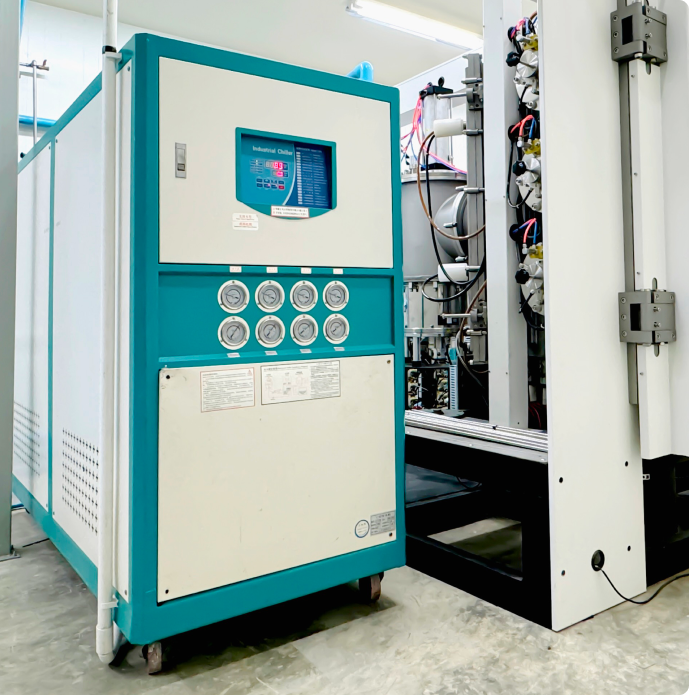
What Is PVD Clear Film and How Does It Help Protect Product Surfaces?
Product surfaces can change over time due to oxidation, tarnish, moisture, chemicals, skin contact, friction, cleaning agents, and regular handling. This is relevant not only for jewelry, but also for accessories, decorative hardware, watch parts, metal components, display items, and consumer products where the original surface appearance needs to be preserved.
PVD clear film
is a transparent protective coating applied over the product surface. Unlike colored coating, clear film is designed to help preserve the original look of the material while adding an extra protective layer. It does not change the product into a gold, black, rose-gold, or colored finish. Instead, it protects the visible surface underneath.
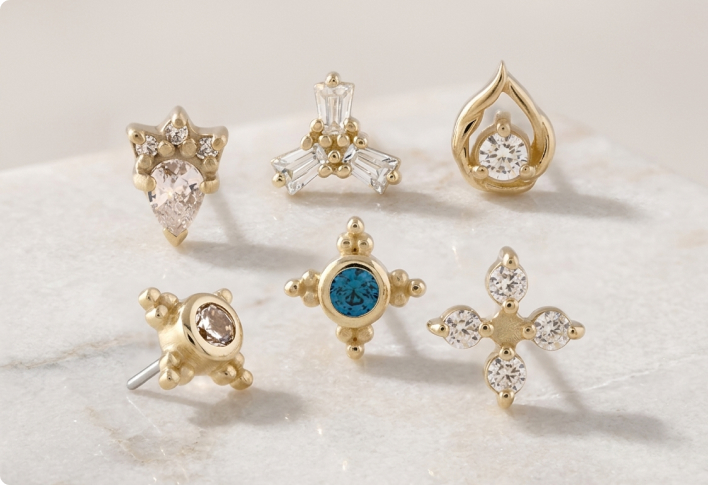
The main purpose of PVD clear film is to help reduce tarnishing, slow down oxidation, and improve long-term surface appearance. This can be useful for polished metal parts, decorative components, silver items, brass products, and other products where the natural material color should remain visible. For jewelry applications, sterling silver is a good example because it is valued for its bright appearance but can tarnish over time. More background is available in this article on sterling silver and what buyers should know.
However, clear film is not a repair process. The coating is transparent, so the surface condition before coating remains visible after coating. If the product has scratches, polishing marks, stains, oxidation, fingerprints, or uneven finishing, clear film will not hide them. It may even make some defects more noticeable because the existing surface is sealed under a clean protective layer.
This is why surface preparation is critical before clear film coating. Polishing, cleaning, degreasing, drying, and inspection should be done carefully before the product enters the coating process. Clear film can only protect the surface that already exists. It cannot replace proper finishing.
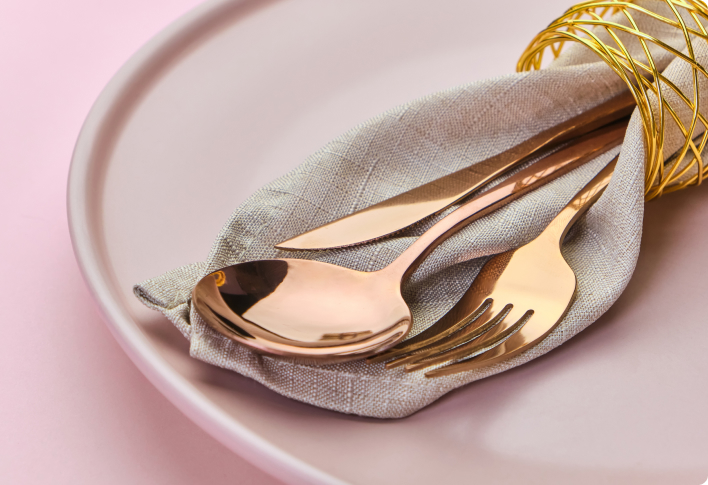
PVD clear film is relevant for any product where the original look needs better protection without adding a colored coating. It can support jewelry, accessories, metal fittings, precision parts, decorative products, and selected industrial components. For products where coating is part of a wider production and finishing process, this overview of jewelry coating processes gives a useful example of how coating fits into manufacturing.
Authur: ITAY IZHARI
Commercial & Marketing Manager