
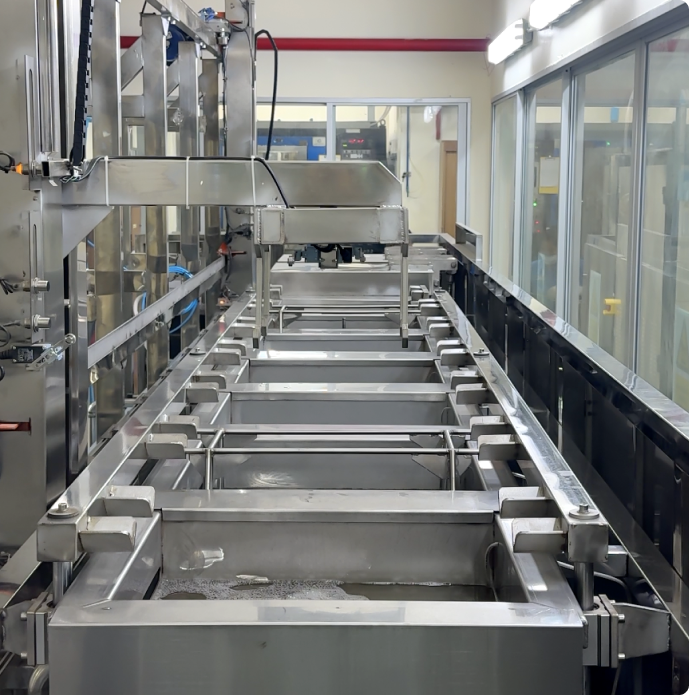
Why Surface Preparation Matters Before PVD Coating
A coating is only as good as the surface underneath it. This is one of the most important points to understand before sending products for PVD coating.
PVD coating is a thin surface layer. It can improve color, protection, wear resistance, and surface performance, but it does not repair poor polishing, deep scratches, dents, oxidation, stains, machining marks, casting defects, or uneven finishing. If these problems are present before coating, they may remain visible after coating.
Good surface preparation usually includes polishing, cleaning, degreasing, drying, and inspection before the product enters the coating process. For decorative products, this step affects appearance. For functional parts, it can also affect coating adhesion, surface consistency, and long-term performance.
Surface preparation also affects coating adhesion. A product with oil, dust, polishing compound, oxidation, cutting fluid, fingerprints, or unstable surface condition may not coat properly. This can lead to weak adhesion, uneven color, stains, peeling, or reduced durability.
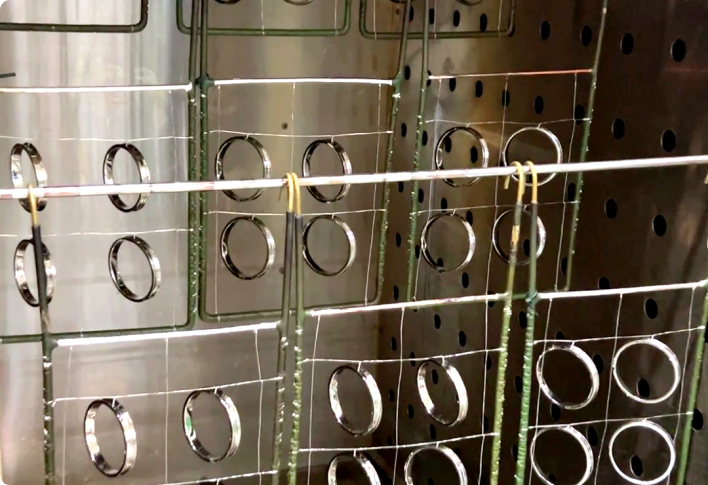
The material itself also affects the preparation method. Stainless steel, brass, copper alloy, titanium, aluminum, sterling silver, gold, and tool steel do not behave the same way during finishing. Each material requires suitable handling before coating. A general overview of common jewelry-related metals, including stainless steel, titanium, sterling silver, and gold, is available in this jewelry materials guide.
Surface quality is especially important for small, detailed, or precision products. Jewelry, watch parts, decorative hardware, tools, machine components, and body jewelry may include small areas, sharp edges, recessed sections, threads, holes, moving parts, or assembled sections. For example, designs such as threadless body jewelry show how small parts and detailed surfaces require careful finishing before coating.

Surface preparation should therefore be planned from the beginning of production, not treated as a final correction step. Good coating starts before the coating chamber. Poor preparation usually creates problems that coating cannot solve.
Authur: ITAY IZHARI
Commercial & Marketing Manager